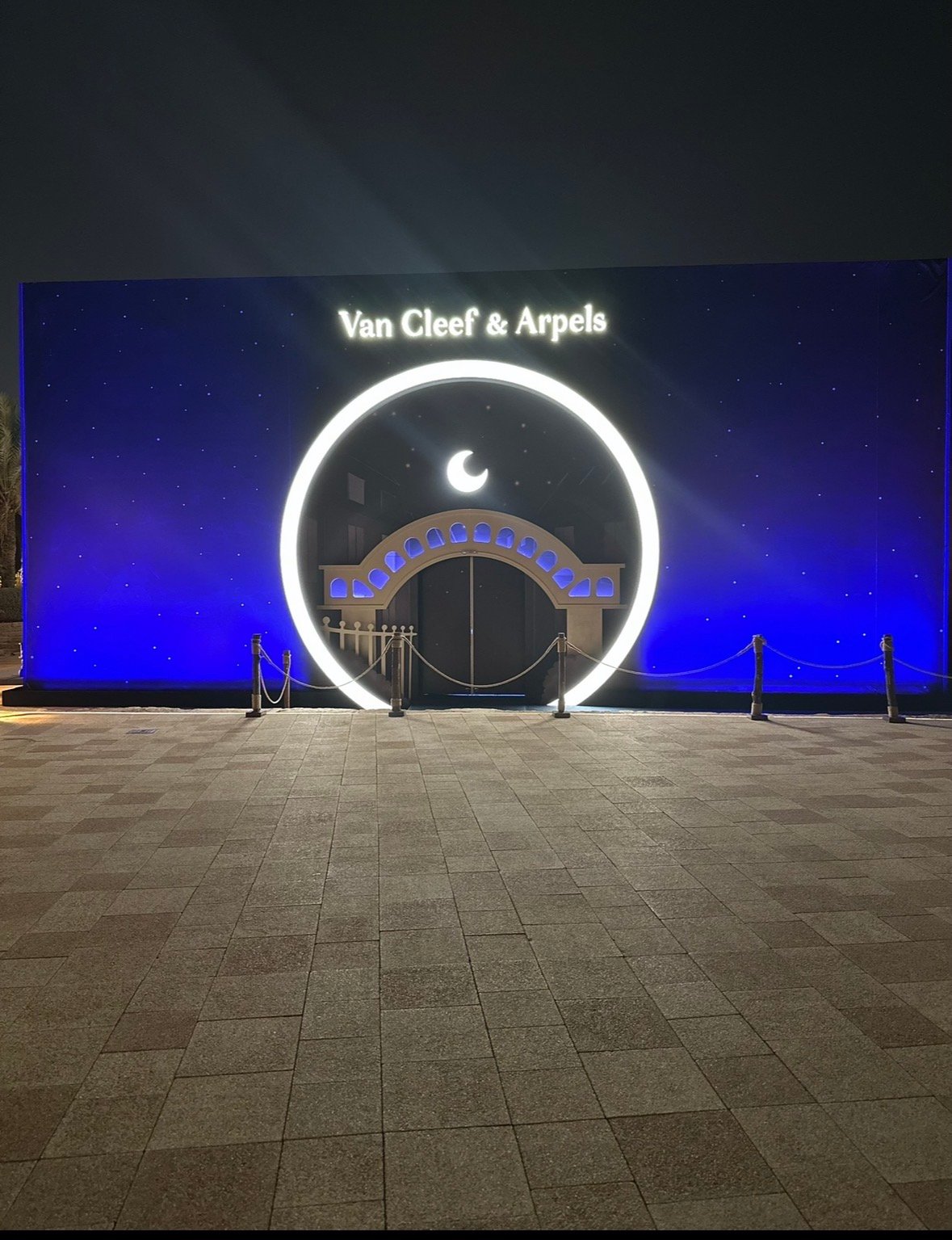
Van Cleef and Arpels project site managed by Amgad Fadl
Selected Operations Case Study Site Operations Saudi Arabia
Van Cleef & Arpels · Site Management

I Managed the Site. From Mobilization to Final Removal.

As Site Manager, I coordinated 7 contractors and more than 112 workers and technicians across production, installation, site readiness, technical systems, operational control and final dismantling — turning project plans, timelines and technical requirements into coordinated field execution.

Role Site Manager Full Site Lifecycle · Field Execution
7 Contractors Coordinated Across Site Operations
112+ Workers & Technicians Across Multiple Disciplines
End-to-End Mobilization · Build · Readiness · Dismantling
Site Manager Field Coordination · Quality · Safety · Timeline Control
Project Film · Documented Execution

The Project in Motion. From Site to Execution.

A documented view of the project environment, site execution and the operational work behind delivering a high-standard production environment.

Project Film · Documented
Van Cleef & Arpels · Site Operations Coordinating People, Contractors and Technical Execution Inside a Live Project Environment. The project required continuous site presence from contractor mobilization and installation through technical coordination, quality control, operational readiness and final dismantling. My responsibility was to keep multiple teams moving toward the same delivery objective within the available timeline.
01 Contractor Mobilization
02 Site Installation
03 Operational Readiness
04 Final Dismantling

The finished project is what people see. The operation behind it is what makes delivery possible.

Every completed environment depends on coordinated people, technical disciplines, contractor performance, site control and decisions made while the project is moving.

The Assignment · Site Management Responsibility

Seven Contractors. One Coordinated Site Operation.

My responsibility was to translate project documents, timelines, drawings and technical requirements into coordinated execution across multiple contractors, disciplines and work zones.

Operational Mandate

I was responsible for coordinating 7 contractors and more than 112 workers and technicians across audio, lighting, tent systems, furnishing, decoration, cleaning and supporting technical disciplines — while maintaining safety, quality and timeline control.

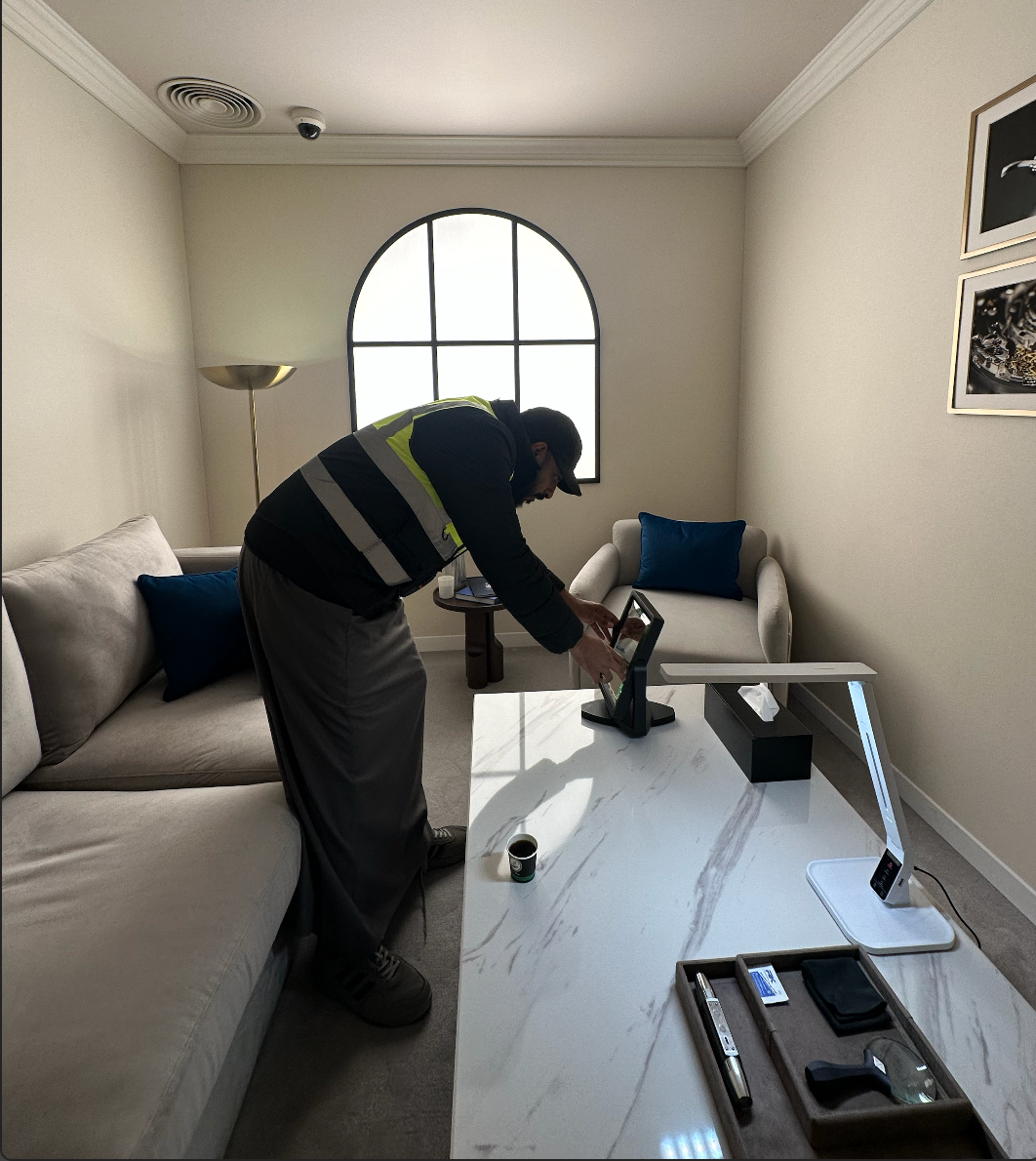
Amgad Fadl inspecting the interior project environment during Van Cleef and Arpels site operations 01
Site Inspection · Quality & Readiness Control Inspecting the internal project environment, monitoring execution details and ensuring that site readiness aligned with project requirements.
Van Cleef & Arpels

Turning Project Plans Into Controlled Field Execution.

As Site Manager, I received the operational documentation required to execute the project — including timelines, drawings, PDF documents, Excel schedules, presentations and site plans. My responsibility was to understand the required sequence of work, coordinate contractors and ensure that execution remained aligned with the available project timeline.

I coordinated contractor arrivals, workforce access and the movement of delivery vehicles and trucks entering the project environment. Before work began, I ensured that teams implemented required site protection measures, including floor protection and perimeter fencing, before distributing contractor teams across their assigned internal and external work areas.

Once mobilization was complete, I coordinated the work of teams responsible for audio systems, lighting, tent structures, furnishing, decoration, cleaning and supporting technical disciplines. Each contractor operated according to the project timeline, while I monitored dependencies between teams and maintained visibility over execution progress across the site.

My responsibility also included continuous inspection of work quality and site readiness. When defects, incomplete work or technical problems were identified, I documented the issue, escalated it through the appropriate reporting line and coordinated the required teams to complete corrective action.

I maintained direct communication with the Project Director regarding operational progress, technical observations, incidents and required interventions — ensuring that decisions made at management level were translated into action by the relevant teams on site.

01 Contractor Mobilization Coordinating contractor arrivals, workforce access, delivery vehicles and material movement according to the approved project timeline.
02 Site Safety & Protection Ensuring floor protection, perimeter fencing and required site-control measures were implemented before contractors began active installation work.
03 Multi-Contractor Coordination Coordinating seven contractors across multiple technical disciplines while managing work zones, sequencing, dependencies and execution progress.
04 Quality Control Inspecting execution quality, identifying deficiencies and coordinating corrective actions to maintain project readiness and required delivery standards.
05 Power & Utilities Monitoring electrical distribution and generator operations, coordinating scheduled fuel replenishment and recording supplier arrival and departure activities.
06 Reporting & Escalation Reporting technical observations and operational issues directly to the Project Director before coordinating the relevant contractor teams to execute corrective action.

7 Contractors Under Site Coordination
112+ Workers & Technicians Across Disciplines
6+ Technical & Operational Workstreams
Direct Reporting to Project Director

My responsibility was not to manage one contractor. It was to keep the entire site moving as one coordinated operation.

Site management required continuous visibility across contractor performance, technical execution, safety requirements, quality, utilities and the project timeline — while ensuring that problems identified in the field were converted into coordinated action.

Field Execution · Operational Challenges

The Plan Defined the Target. The Site Required Decisions.

Site management required continuous presence inside the operating environment — observing contractor progress, identifying deviations, coordinating corrective action and protecting safety, quality and the project timeline.

Field Supervision · Documented
Active Site Management · Contractor Operations Managing the Project From Inside the Operation.

Documented field presence during project execution, with technical teams and contractors actively working across installation, painting, cleaning, façade adjustments and site preparation activities under live operational conditions.

Operating Principle

When conditions changed, my responsibility was to identify the issue, assess its operational impact, report it, mobilize the responsible contractor and verify that corrective action was completed.

01
Structural Observation Wind Exposure Affecting Part of the Tent Structure.

During site operations, I identified a problem affecting part of the tent structure. Wind conditions were causing movement in a section of the installation, creating a potential risk to project readiness and the stability of the affected area.

My Response

I documented the observation, escalated the issue through the management line and coordinated the responsible teams once additional resources were provided to complete the required corrective work.

02
Technical Readiness Equipment Failures Inside the Project Environment.

Technical equipment failures were identified during site operations. These issues required immediate attention because incomplete technical readiness could affect subsequent work, inspection activities and final delivery.

My Response

I reported the identified problems directly to the Project Director, coordinated the relevant technical teams and monitored corrective action until the affected equipment and areas were returned to the required operating condition.

03
Power Continuity Maintaining Generator Fuel and Electrical Continuity.

The project depended on continuous power availability for technical activities and site operations. Generator fuel levels and electrical distribution therefore required regular monitoring throughout the project timeline.

My Response

I monitored generator operations, coordinated fuel replenishment approximately every two days and documented supplier arrival and departure activities to maintain visibility over the continuity of site power.

04
Schedule Control Seven Contractors Working Against One Delivery Deadline.

More than 112 workers and technicians across seven contractors were operating within the same project environment. Delays in one workstream could affect other contractors and place pressure on the overall delivery timeline.

My Response

I maintained visibility across contractor progress, coordinated work sequences and dependencies, followed up on incomplete activities and redirected attention toward priority tasks when the timeline required intervention.

A site problem is not resolved when it is reported. It is resolved when corrective action is completed and verified.

My role required maintaining operational visibility from the first observation through escalation, contractor mobilization, corrective execution and final verification — while protecting the project schedule and maintaining site readiness.

Project Closeout · Dismantling & Site Clearance

The Project Wasn't Finished When the Event Ended.

My responsibility continued beyond installation and project delivery. I coordinated the dismantling operation, contractor movement, equipment removal and site clearance until the location was evacuated within the required project deadline.

Final Operational Responsibility

Delivery was only one stage of the assignment. I remained responsible for coordinating the operation until contractors, workers, equipment and project materials were removed and the site was cleared within the required timeline.

Closing the Project Required Another Coordinated Operation.

Once the project concluded, the operational environment changed from installation and delivery to dismantling and evacuation. Seven contractors and their teams had to return to the site, remove their equipment and materials, complete their assigned closeout activities and exit according to the available timeline.

I coordinated the movement of contractors, technical teams, vehicles and trucks while monitoring the dismantling of sound systems, lighting equipment, furniture, décor, tent structures and other project installations.

Because multiple contractors were working inside the same environment, I monitored progress across workstreams, followed up on incomplete activities and coordinated priorities to prevent delays from affecting the final evacuation deadline.

The operation continued until the required project materials and equipment had been removed and the site had been cleared within the agreed timeline.

01 Contractor Return Coordinating the return and controlled access of contractor teams, vehicles and trucks required for dismantling activities.
02 Dismantling Coordination Monitoring multiple technical workstreams as installations, structures, equipment and project materials were dismantled.
03 Progress Control Following contractor progress, identifying incomplete work and coordinating priorities when activities risked affecting the final clearance timeline.
04 Final Site Clearance Maintaining operational coordination until project materials, equipment, contractor teams and vehicles completed their departure within the required deadline.
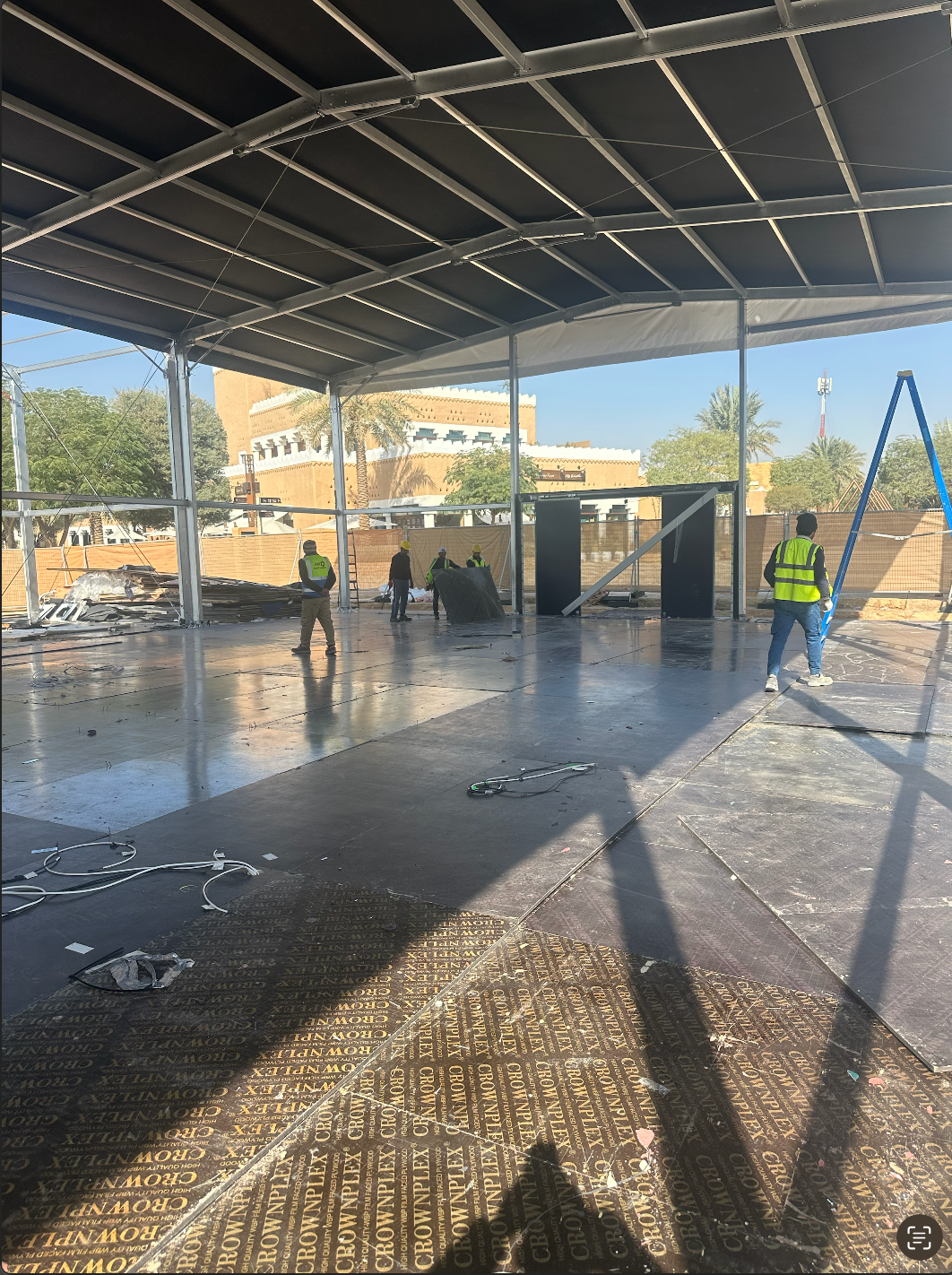
Van Cleef and Arpels project site during final dismantling and site clearance operations
Project Closeout · Documented
Final Operational Phase The Site Was Cleared Within the Required Timeline.
7 Contractors Coordinated
112+ Workers & Technicians Across Project Operations
End-to-End Installation Through Dismantling Coordination
On Time Site Clearance Within Required Deadline
Van Cleef & Arpels · Case Study Conclusion

I Managed the Site From Arrival to Exit.

Planning became coordinated execution. Execution became project delivery. And delivery was not complete until the final contractors, equipment and project materials had left the site.