

LIV Golf Riyadh Event Operations
Operations Management Case Study Selected Work · 01
Operations Manager · LIV Golf Riyadh

LIV Golf. Leading Live Operations Under Pressure.

Assigned operational responsibility for two major access gates and a frontline workforce of 76 personnel across security, ushers, event organizers and cleaning teams — maintaining workforce readiness, visitor flow, access control and coordinated field response throughout four days of live event operations.

4 Days Live Event Operations
76 Frontline Personnel Led
2 Major Access Gates
Direct Reporting to Project Manager
Explore the Assignment
LIV Golf Riyadh · Operational Evidence

Four Days. Inside the Operation.

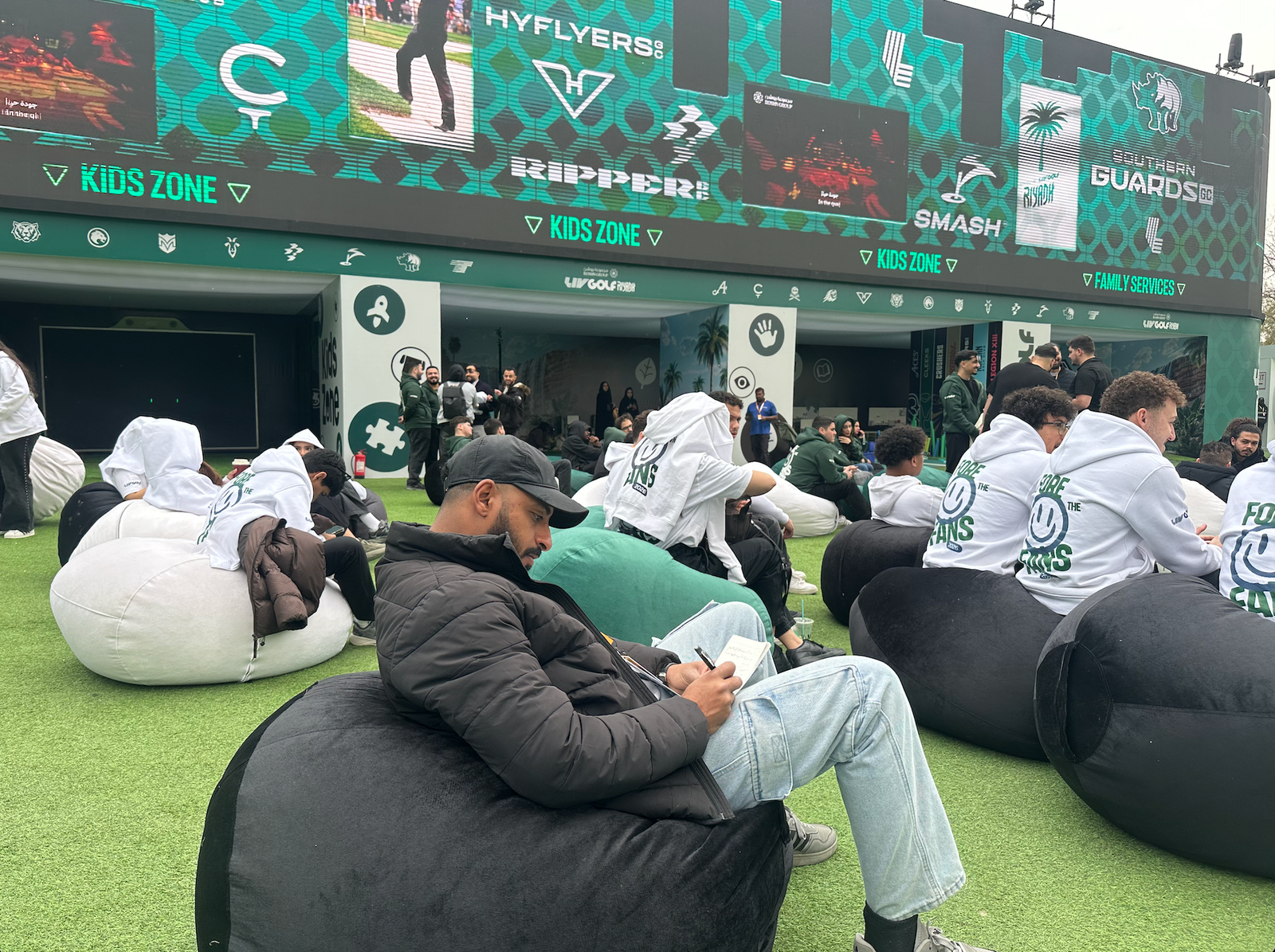
A documented look inside the live event environment — the teams, venue, visitor movement and operational setting where coordination and field leadership took place.

Documented Field Experience
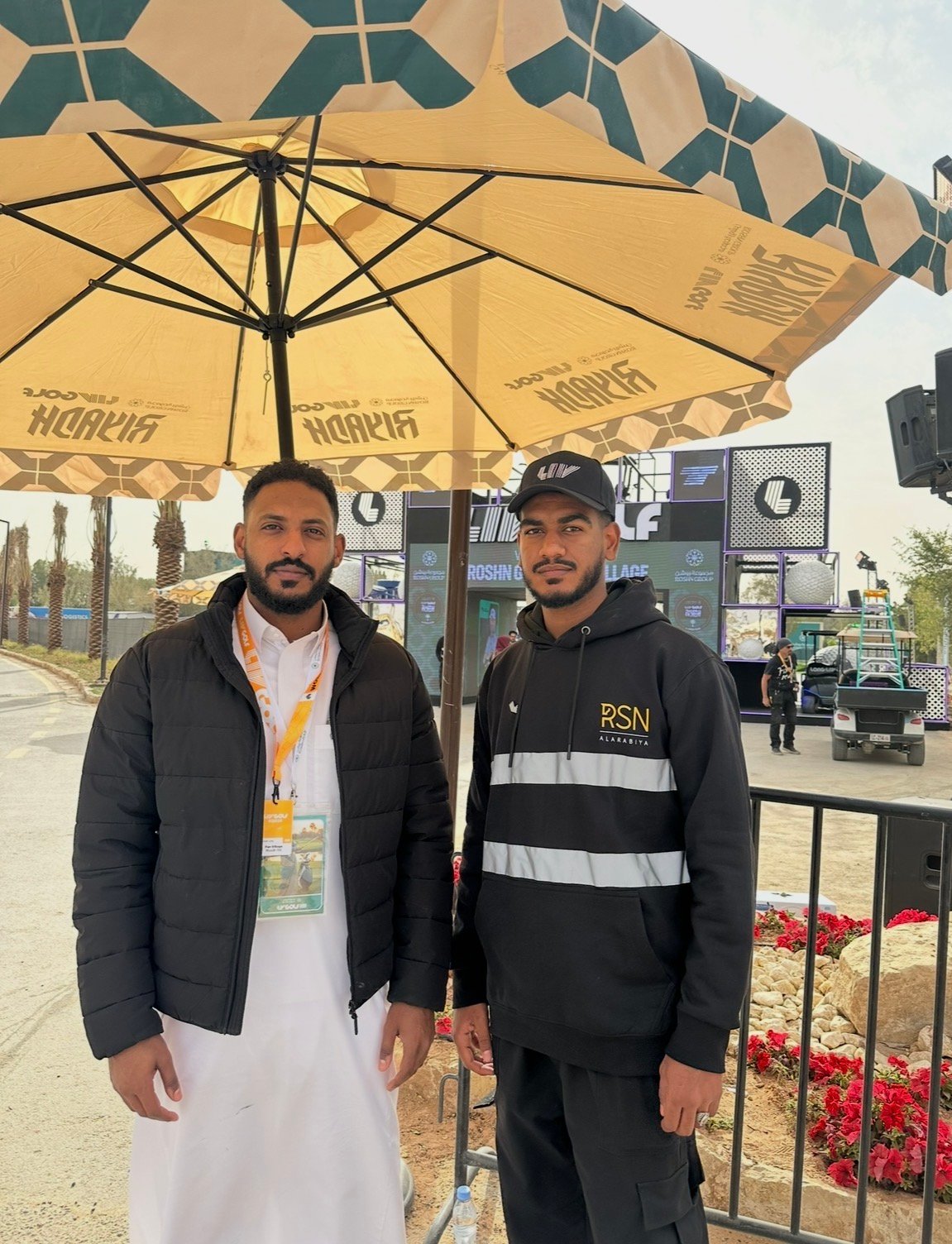
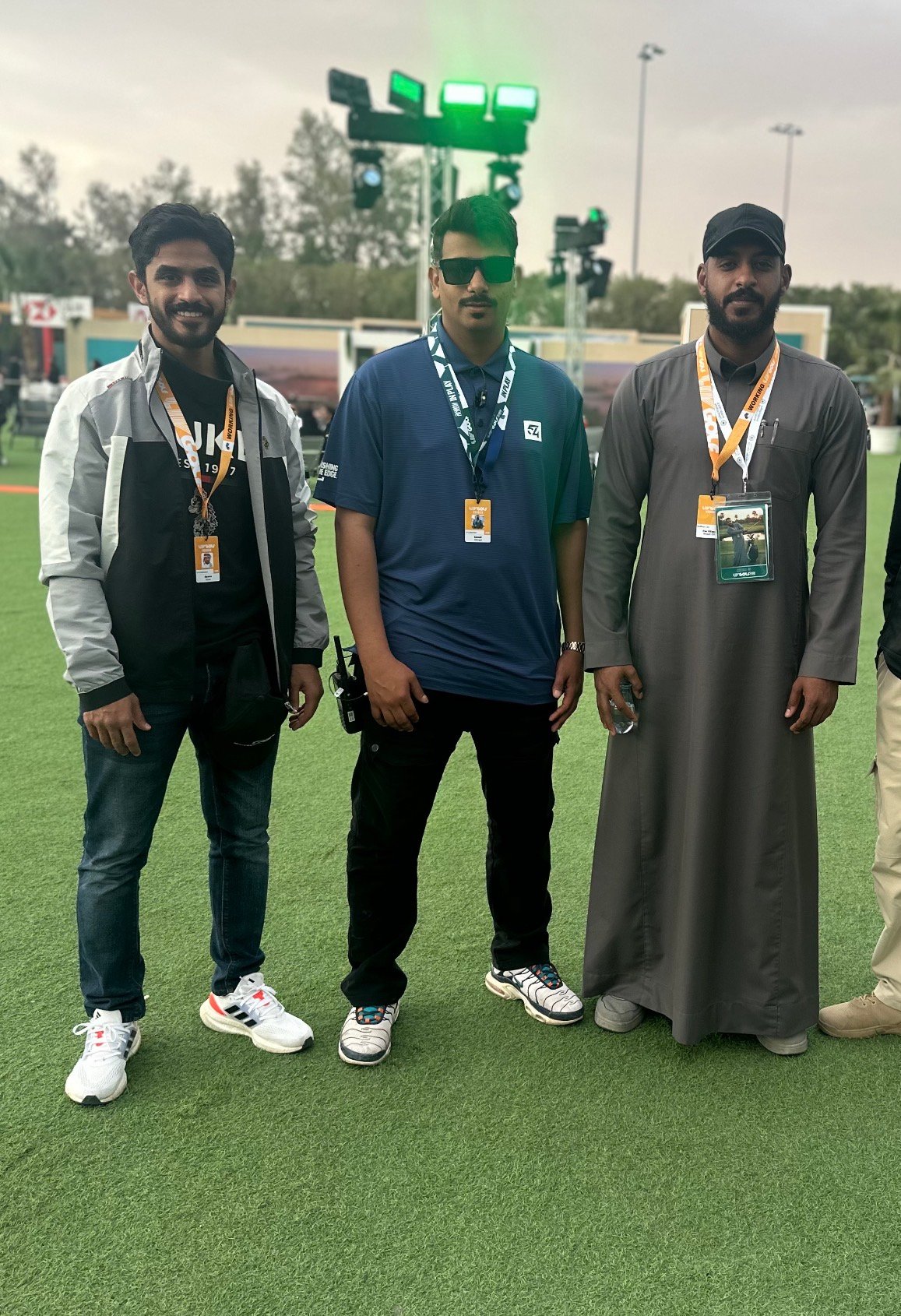
LIV Golf Riyadh · Four-Day Operation Field leadership inside a live, high-pressure international event environment. The footage documents the operating environment where I managed two major access gates, coordinated a 76-person workforce and worked alongside security, medical teams, vendors and site stakeholders.
01 Field Leadership
02 Live Coordination
03 Operational Evidence
The Assignment · Scope of Responsibility

My Role Was Not to Observe. It Was to Run the Operation.

As Operations Manager, I was responsible for translating the operational plan into coordinated field execution — positioning people, monitoring access points, maintaining visitor movement and responding when live conditions changed.

Operational Mandate

I was assigned responsibility for two major access gates and 76 frontline personnel across security, ushers, event organizers and cleaning teams — with direct accountability for workforce readiness, visitor flow, access control and coordinated execution.

Amgad Fadl coordinating field operations with frontline teams at LIV Golf Riyadh 01
Field Operations · Workforce Coordination Reviewing operational requirements, documenting field observations and coordinating frontline teams from inside the live event environment.
LIV Golf Riyadh

Turning a Large Frontline Workforce Into a Coordinated Operation.

As Operations Manager, my responsibility extended beyond supervising employees. I was accountable for ensuring that 76 personnel across four different operational functions were correctly positioned, briefed and ready to perform throughout four days of live event operations.

I managed teams across security, ushers, event organizers and cleaning operations. This required continuous awareness of staffing levels, gate conditions and workforce deployment, while ensuring that each person understood where they needed to be and what was expected from them during active operating hours.

Throughout the event, I moved between the areas under my responsibility to monitor visitor movement, identify crowd concentration, maintain controlled access and ensure that operational issues were addressed before they developed into larger disruptions.

My role also required maintaining a working understanding of the wider event site — including access routes, visitor movement paths, emergency exits and key operational areas — so that I could coordinate teams and respond effectively when conditions changed.

I maintained coordination with security personnel, medical teams, Ministry of Interior teams and other operational stakeholders on site, while communicating directly with the Project Manager regarding incidents, operational developments and required responses.

01 Workforce Deployment Positioning frontline personnel across assigned gates and operational areas, monitoring attendance, readiness and maintaining appropriate staffing throughout live operations.
02 Visitor Flow & Access Monitoring visitor movement, preventing unnecessary crowd concentration and maintaining controlled movement through the two major access gates under my responsibility.
03 Field Coordination Coordinating with security, medical teams, Ministry of Interior personnel and operational stakeholders as situations developed across the live event environment.
04 Operational Reporting Maintaining direct communication with the Project Manager regarding operational conditions, incidents, required responses and developments affecting execution.
76 Personnel Across Four Operational Functions
2 Gates Major Access Points Under Responsibility
Multi-Team Security · Medical · Government Coordination
Direct Communication With Project Manager

My responsibility was to maintain operational awareness across people, access points and live conditions. Then act when the operation required it.

The role required continuous field presence, workforce leadership, site awareness and communication across multiple operational teams — with decisions made inside a live environment where conditions could change without warning.

Live Incidents · Operational Response

When Operations Were Tested. Decisions Had to Be Made.

Live operations do not follow a perfect script. During the four-day event, several situations required immediate assessment, coordination and controlled action to protect people and maintain operational continuity.

Operational Reality

My responsibility was not simply to react to problems. It was to understand the risk, control the environment, coordinate the right teams and maintain safe operations.

01 Controlled
Safety Incident

Fire Near the Stage Area.

A developing fire incident created an immediate need to control visitor movement and prevent people from entering or approaching the affected area.
Situation & Response

During live operations, a fire incident occurred near the stage area. Until the situation could be assessed and resolved by the responsible emergency teams, uncontrolled visitor movement toward the area could have increased exposure to risk.

I directed the teams under my responsibility to temporarily close the assigned gates and control visitor movement. Personnel were positioned to form a human barrier, supported by temporary fencing, to prevent people from moving toward the affected area while the emergency response was underway.

The restriction remained in place for approximately 30 to 45 minutes while the relevant teams responded to the incident and the fire was brought under control.

Once the situation was resolved and movement could resume, the gates were reopened and visitors were allowed to continue toward the stage area.

Operational Decision

Prioritize controlled visitor movement and temporary access restriction until the emergency condition was resolved, rather than allowing uncontrolled movement toward a potentially unsafe area.

01 Restrict Access Temporarily closed the assigned gates while the incident remained active.
02 Create Separation Positioned personnel and temporary fencing to prevent movement toward the affected area.
03 Maintain Control Maintained controlled access while emergency teams handled the incident.
04 Restore Movement Reopened the gates after the incident was resolved and movement could safely resume.
Outcome

Visitor movement remained controlled during the emergency response, access was restored after the incident was resolved and live operations continued.
02 Resolved
Guest Conduct

Refusal to Leave the Venue.

A group of visitors refused to leave after the permitted time and required controlled escalation to site security.
Situation & Response

After the operating period had ended, a group of visitors remained inside the venue and refused to leave despite being informed that the permitted time had ended.

I initially approached the situation through communication, giving the group an opportunity to leave voluntarily and avoid unnecessary escalation.

When they continued to refuse, I escalated the situation to the responsible security team so that removal could be handled through the appropriate operational channel.

The group was removed from the venue and the situation was resolved while minimizing disruption to the wider operation.

Operational Decision

Use communication and voluntary compliance first, then escalate through the responsible security channel when cooperation could not be achieved.

01 Communicate Informed the group that the permitted operating period had ended.
02 Allow Compliance Provided an opportunity to leave voluntarily before escalating the situation.
03 Escalate Contacted site security when the visitors continued to refuse instructions.
04 Resolve Supported controlled removal while minimizing disruption to the wider operation.
Outcome

The situation was resolved through controlled escalation, the visitors were removed and the venue closing process continued.

03 Restored
Operational Continuity

Power & Point-of-Sale Disruptions.

Technical disruptions affected power availability and vendor point-of-sale systems during live operations.
Situation & Response

During the event, operational disruptions included power-related issues and failures affecting some vendor point-of-sale systems.

These issues required rapid communication and coordination with the responsible teams so that affected systems could be assessed and restored without allowing technical problems to create prolonged disruption for vendors or visitors.

I supported the operational response by identifying affected areas, communicating the issues through the appropriate channels and following up on resolution so that services could return to normal operation as quickly as possible.

Operational Decision

Treat technical failures as operational continuity issues: identify the disruption, communicate it quickly to the responsible teams, maintain follow-up and restore normal service with minimum delay.

01 Identify Confirmed affected operational areas and the nature of the reported disruption.
02 Communicate Escalated the issue through the appropriate operational channels.
03 Coordinate Maintained coordination with responsible teams while corrective action was underway.
04 Restore Followed up until affected services returned to operation with minimum delay.
Outcome

Technical issues were escalated and addressed quickly, reducing prolonged disruption to vendor operations and visitor service.

Operational leadership becomes visible when conditions stop being predictable. The responsibility is to keep people, teams and decisions coordinated.

Across safety, guest conduct and technical disruptions, the response required situational awareness, controlled escalation, cross-team communication and continuous attention to operational continuity.

Site Knowledge · Operational Readiness

Know the Site. Before the Site Tests You.

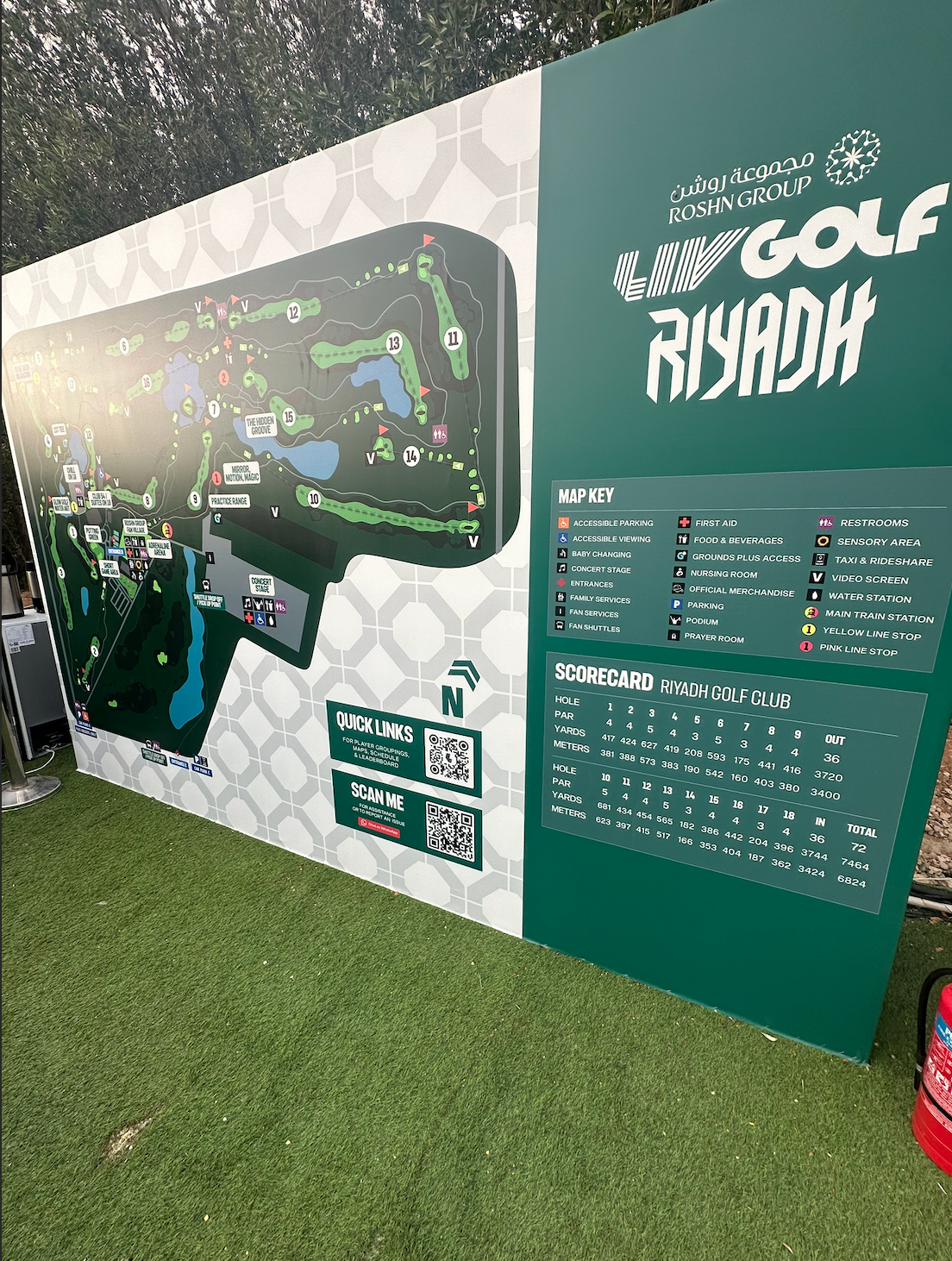
In live operations, knowing the site is not preparation for the work. It is part of the work. Gates, routes, emergency access, medical teams and crowd movement must be understood before an incident requires an immediate decision.

LIV Golf Riyadh site map used for operational coordination
Operational Site Map

A Map Becomes Valuable When Decisions Cannot Wait.

LIV Golf Riyadh · Site Operations · Access Control · Emergency Coordination

My Approach to Site Operations

I Made Sure I Understood the Environment Before I Had to Make Decisions Inside It.

Throughout the four-day operation, I maintained a working understanding of the venue layout, the two major gates under my responsibility, visitor movement routes, emergency exits, medical response locations, security teams and the relationship between my operational area and the wider event site.

This site knowledge supported daily workforce deployment, visitor guidance and coordination with the teams operating around my area. More importantly, it became critical when incidents occurred. During the stage fire, understanding the relationship between the access gates, visitor movement and the affected area allowed me to support the temporary closure of the gates, coordinate the creation of controlled physical barriers and maintain restricted movement until the situation was resolved and normal access could safely resume.

01
Access Points Understanding the gates under my responsibility and their relationship to visitor movement.
02
Emergency Routes Maintaining awareness of emergency access, exits and movement restrictions.
03
Response Teams Coordinating within an environment involving medical teams, security and government personnel.
04
Crowd Movement Understanding how operational decisions at access points could affect wider visitor flow.

The operation was not defined by the absence of problems. It was defined by how those problems were managed.

Across four days of live operations, my responsibility was to maintain workforce deployment, access control, visitor safety and operational coordination while responding to incidents without losing control of the wider operation. The experience strengthened my ability to lead people, understand complex operating environments and make coordinated decisions when conditions changed.

LIV Golf Riyadh · Operations Case Study End of Case Study